

Portfolio
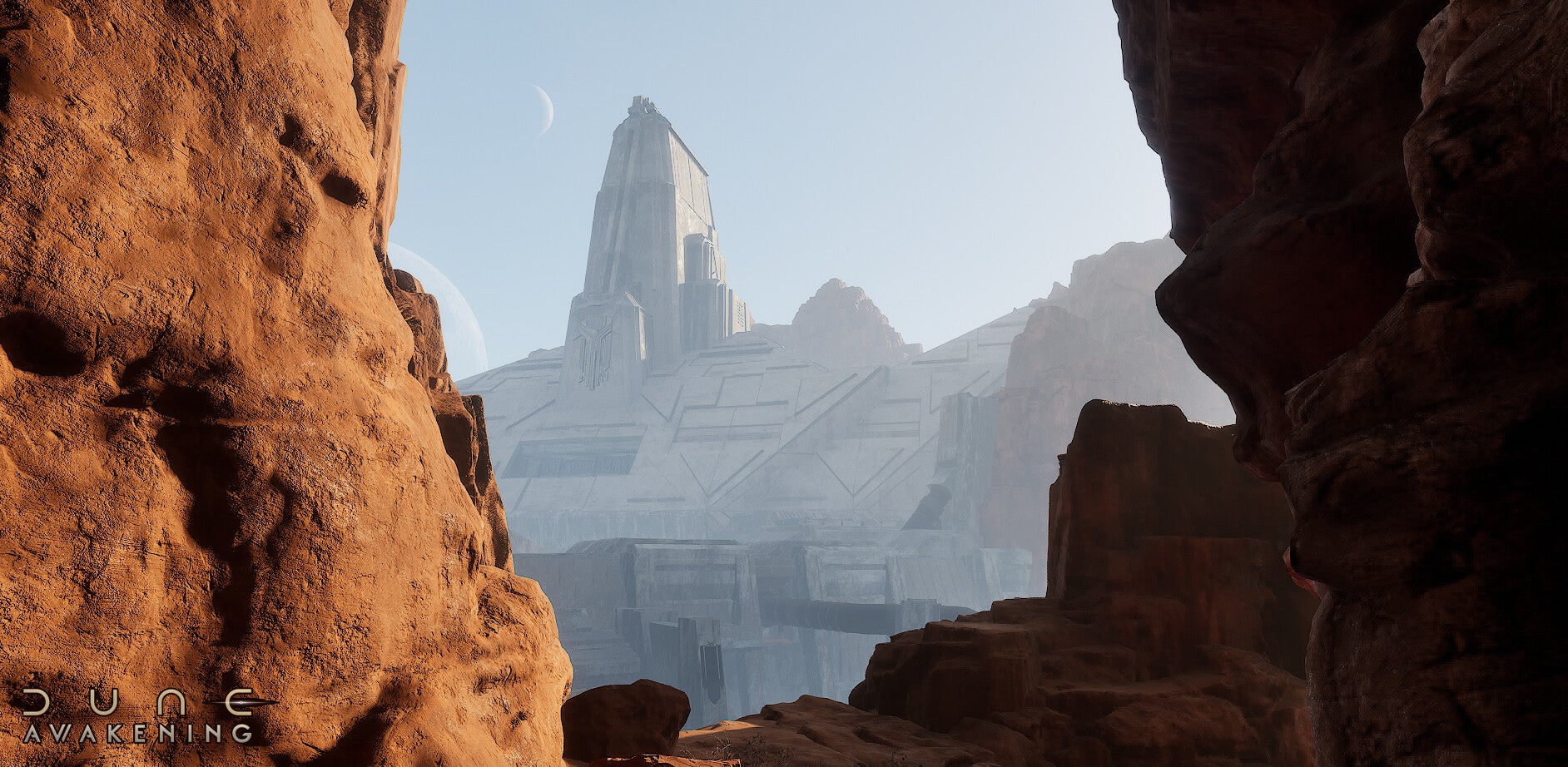
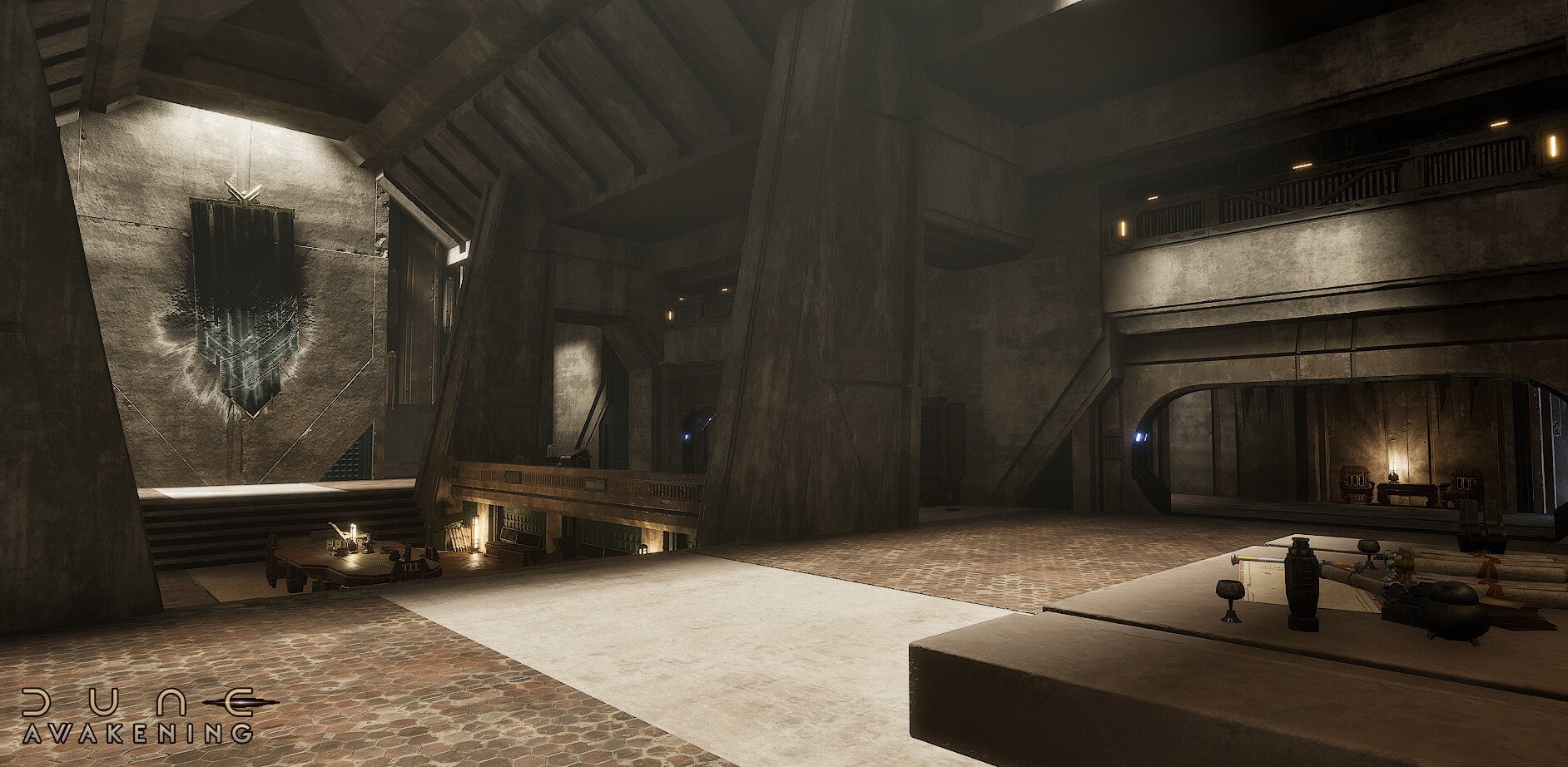
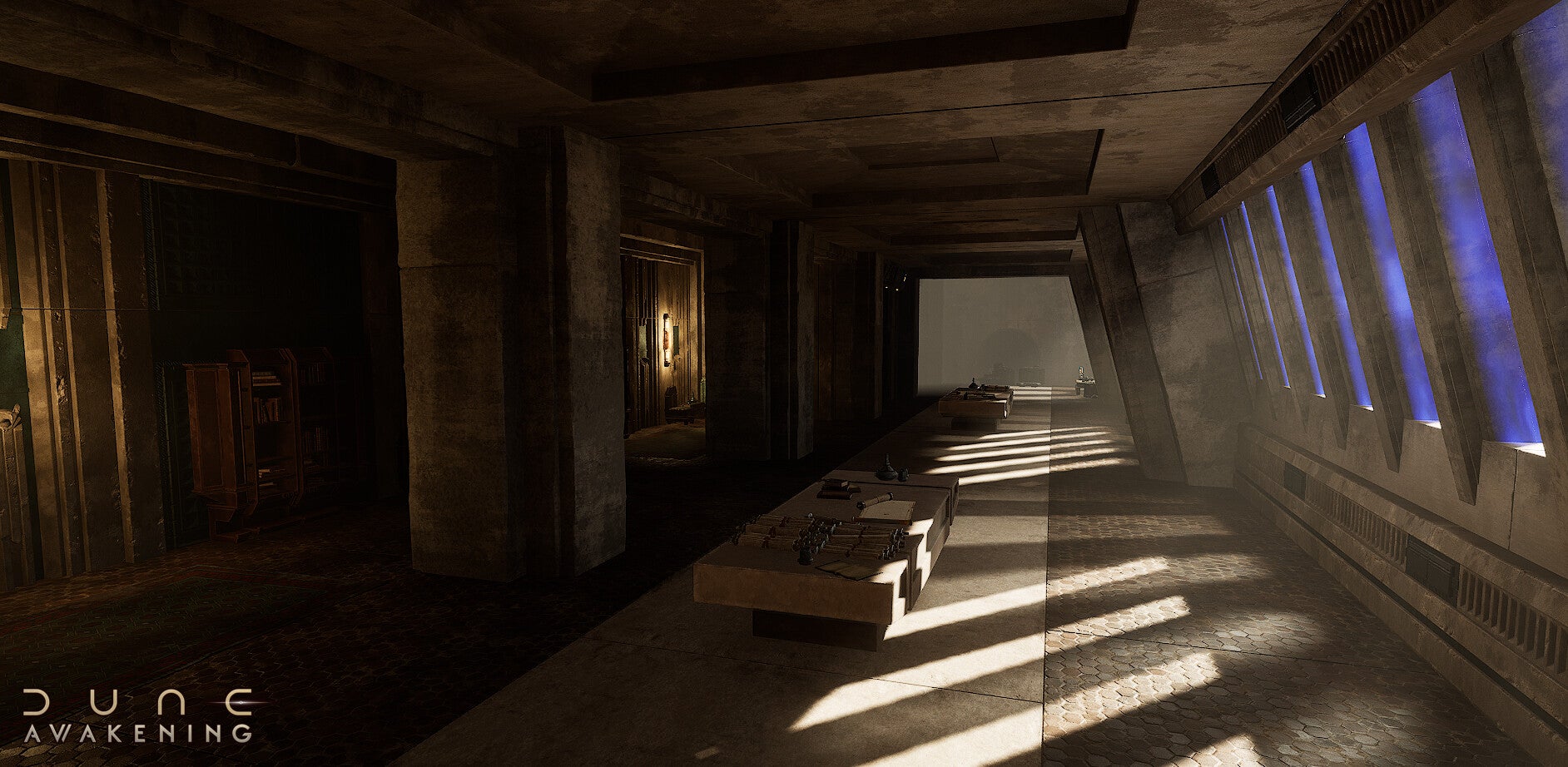
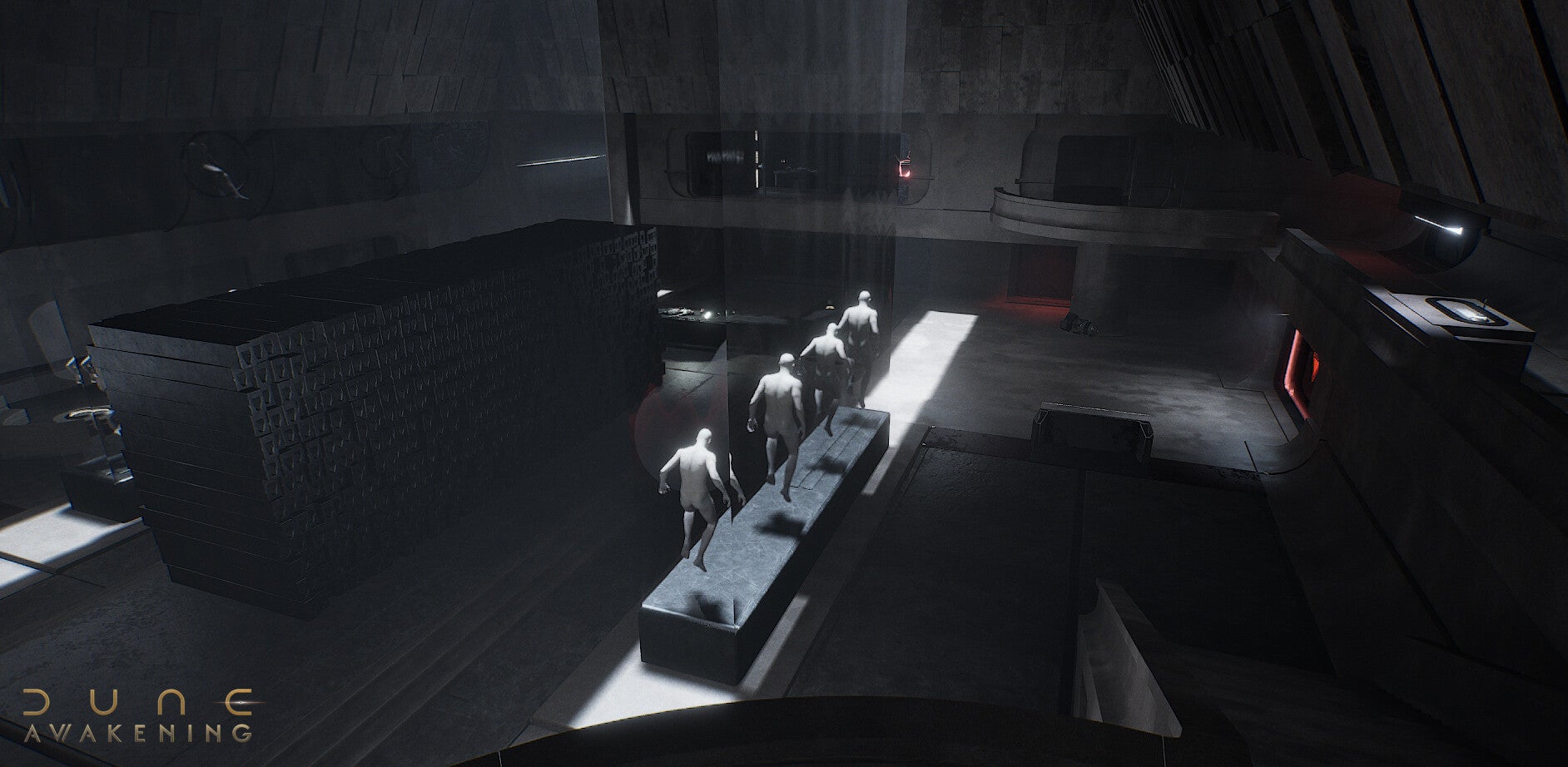
Dune: Awakening
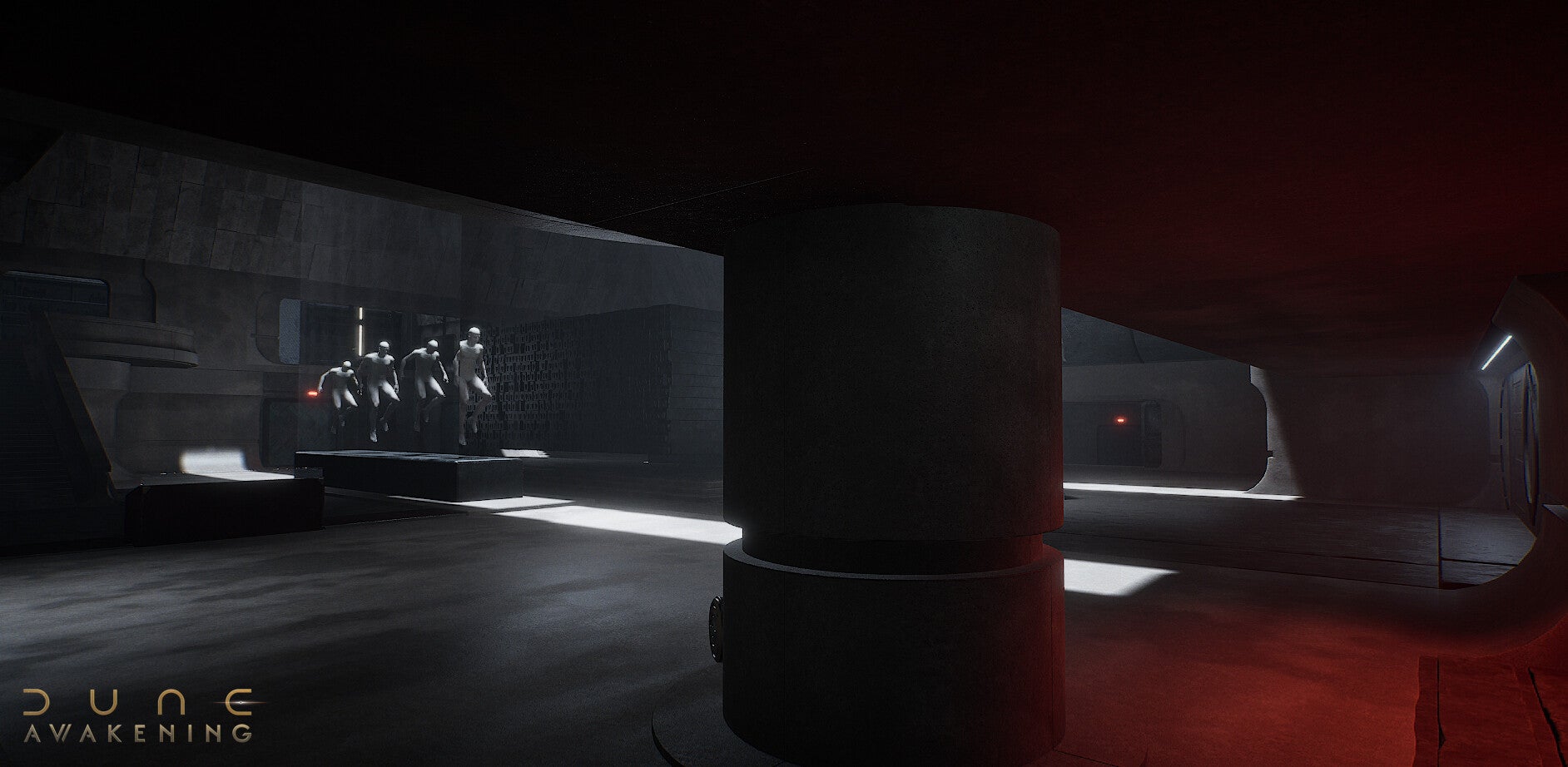
These are examples of spaces designed and constructed by me for the shipped game.
Outpost
The first is a standalone map designed for two narrative-driven missions. One starts at one end of the map and moves "forward" through it, while the other starts at the far end and moves "backwards" through it. The underlying architecture is mostly identical, with some mission-specific differences. Each mission has its own story beats and objectives.
I was responsible for the layout and construction, from blockout to final level. An artist did a final visual pass to create the finer details, set dressing and final materials. The mission was set up by a mission designer, while I placed a portion of the elements to hook into it. I playtested and interated and fixed relevant bugs up until the ship date.
Arena
The second example is a combat arena within a dungeon level. The level was already blocked out, but this arena was unfinished and the first blockout needed refinement. I stepped in to help the assigned Level Designer stay on schedule by taking on the arena myself.
Most of the original layout was changed and I was responsible for the final layout and the broad placement of the architecture and props. An artist made a visual pass that ultimately changed the look and feel quite a bit. Most of the props changed to make the visuals really pop and the end result is quite amazing, in my opinion. I helped playtest and tune the encounter.
Assassin's Creed: Nexus
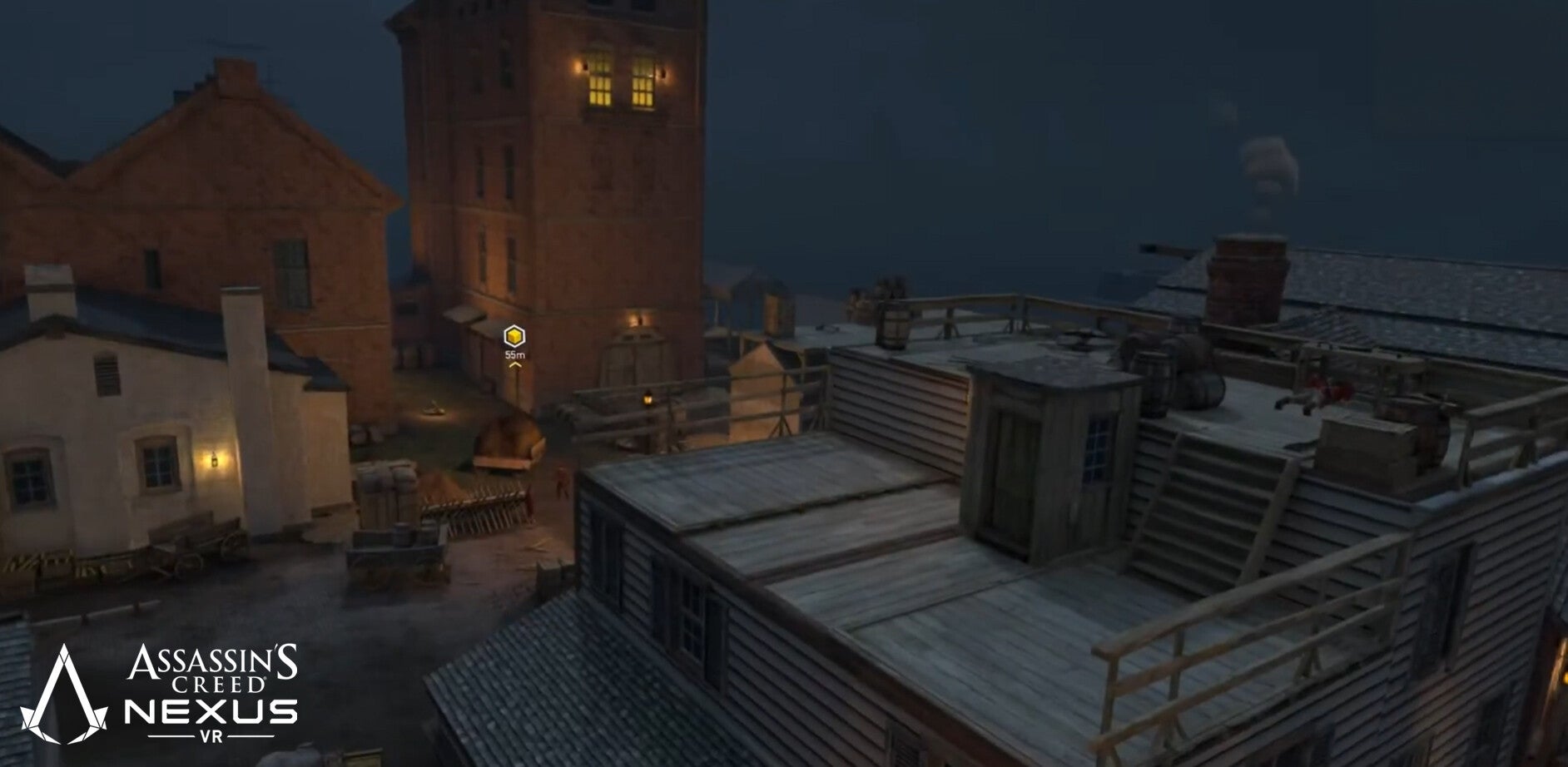
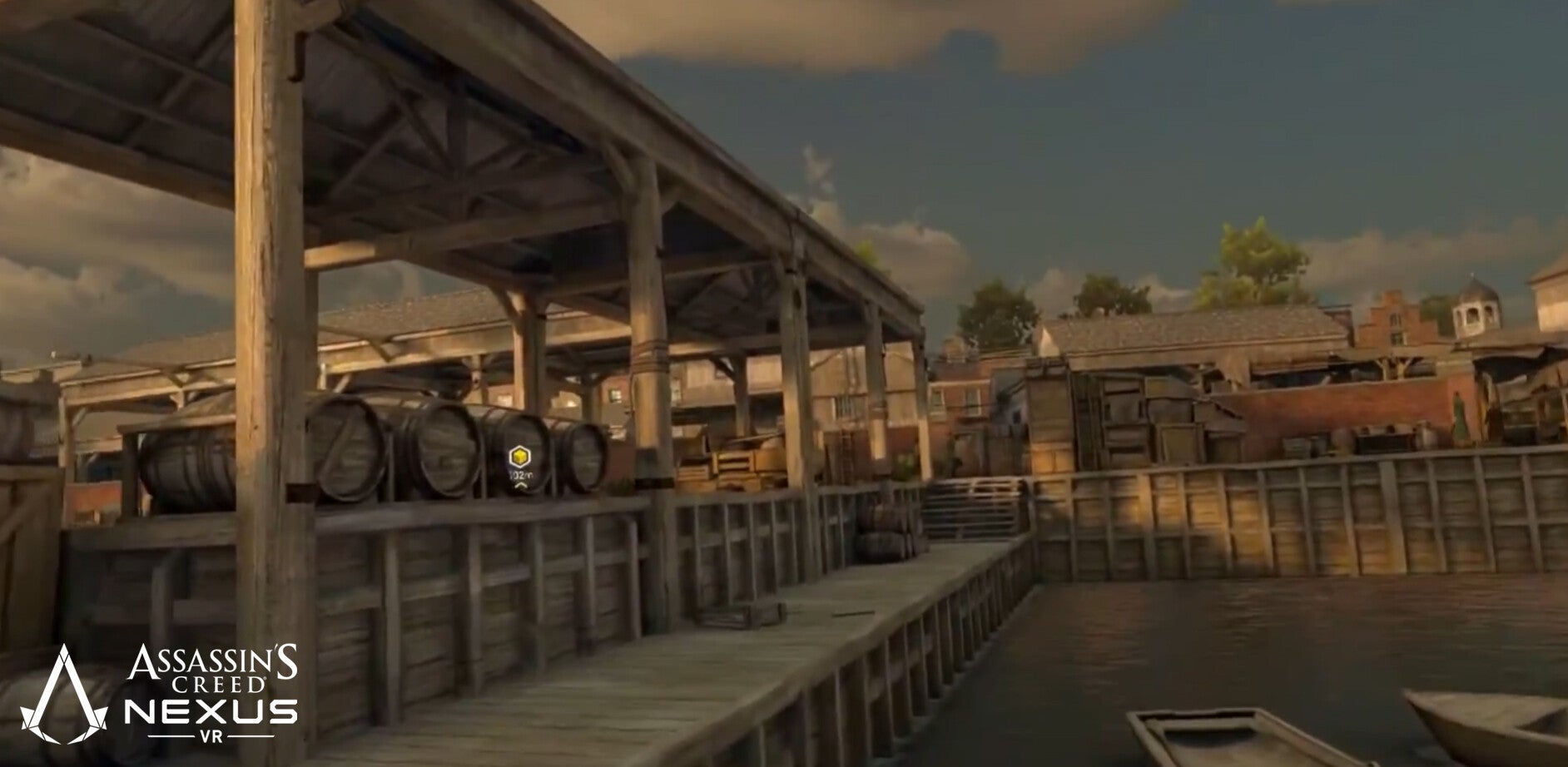
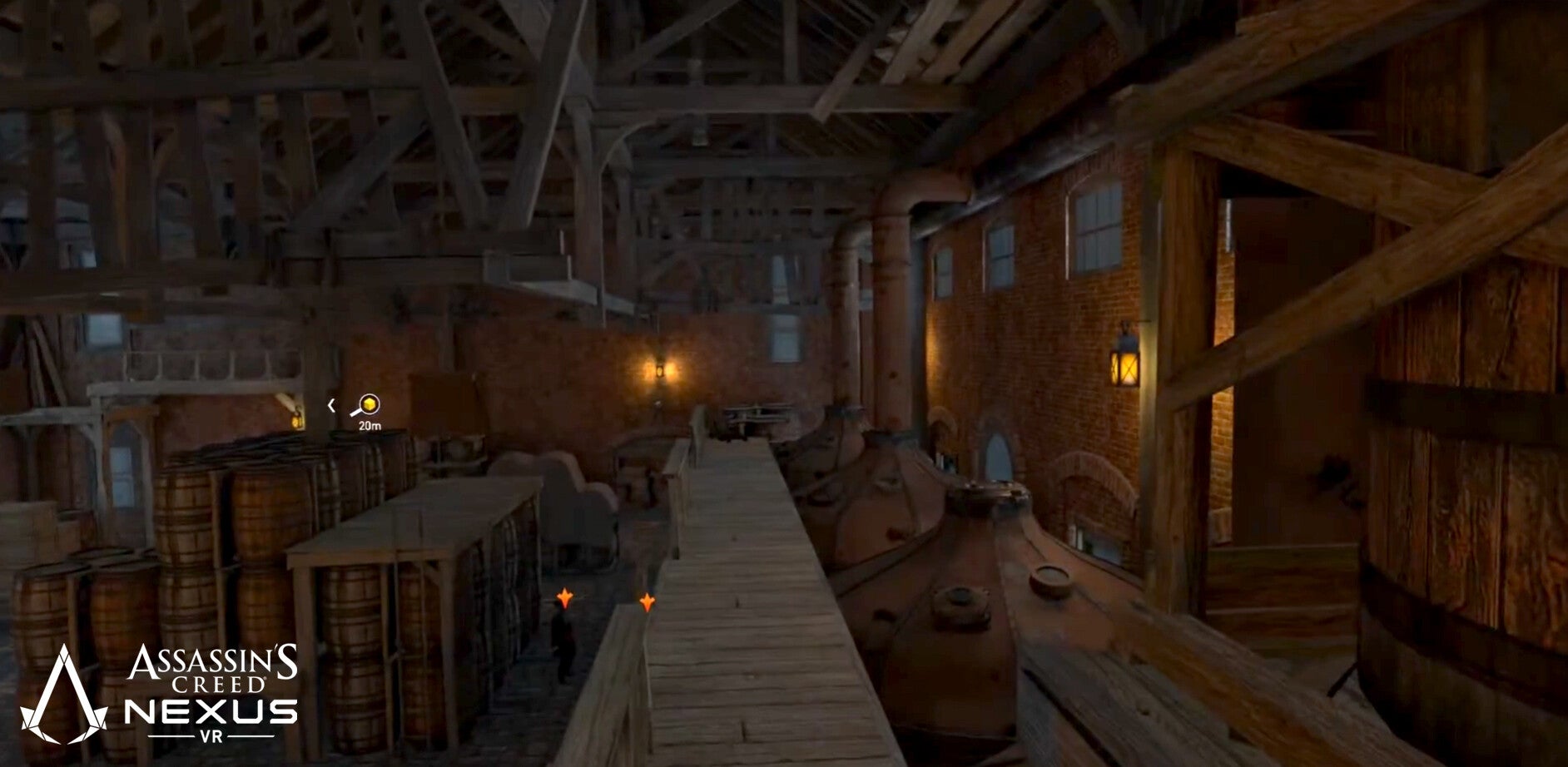
I was responsible for designing levels to fit missions from our narrative team. Our studio worked on the Boston era locations for this game, based on historic locations represented in Assassin's Creed 3. We pulled original open-world geometry from that game into this one and broke it up into smaller sections to meet the requirements of the VR platform.
Levels were open enough to allow multiple approaches to the objectives, and we worked hard to hide the boundaries by giving players room to explore comfortably. I adapted three missions for this game, ranging from city streets, to sailing ships, and building interiors. One of the biggest LD challenges was to figure out ways to fit mission objectives into the limited player interactions we had available. VR development was very restrictive and taught us to distill our ideas into simple forms appropriate for the medium.
As one of the first VR games to successfully use free motion control, we put years of experience from other VR titles into making this game as comfortable as possible for all players. The missions were constructed from the proven building blocks of core player actions and their metric requirements.
Tom Clancy's The Division
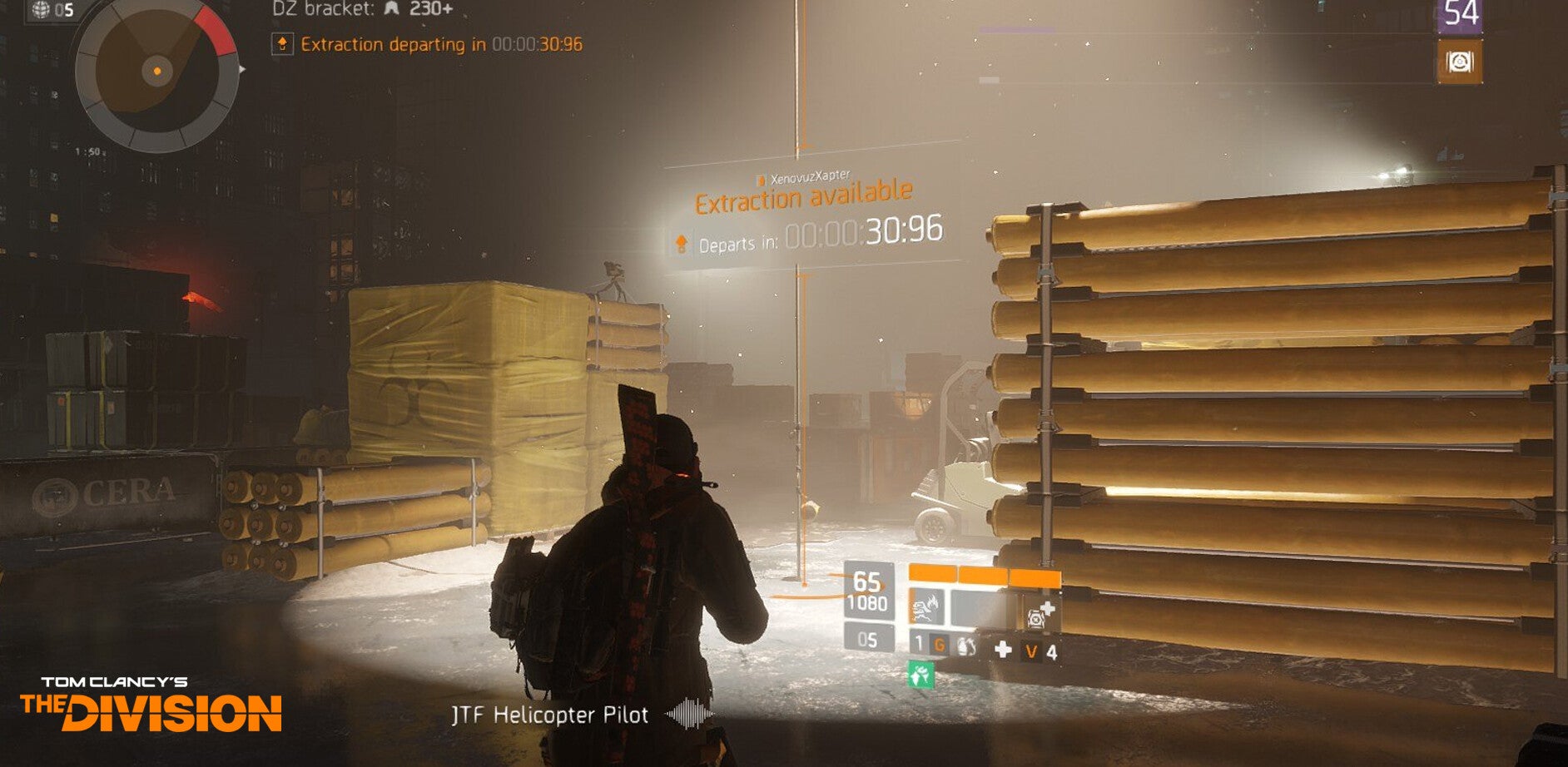
For this game, our studio built and maintained the Dark Zone - the PvP extraction area. The vast area was divided up among several designers. I laid out several extraction points, which are combat arenas with multiple entrances and a control point at the center.
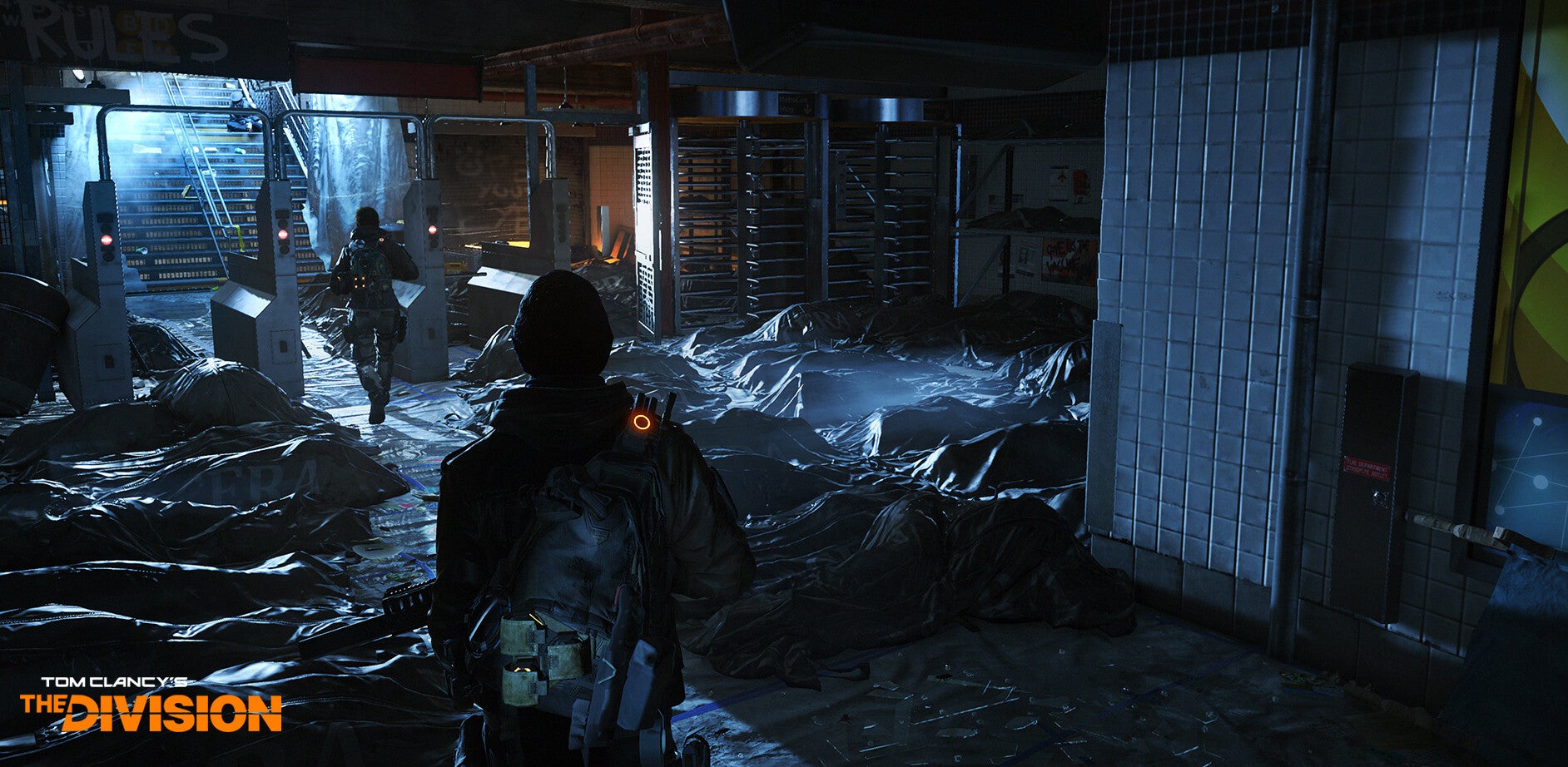
In addition, I refined the modular kit used for subways and laid out the entire subway system for the Dark Zone - stations and rail lines. The layouts were drawn from research of the actual locations, placed as accurately as possible, and adapted to fit our metrics and available props. The goal was to preserve the flavor of each location and make them familiar.
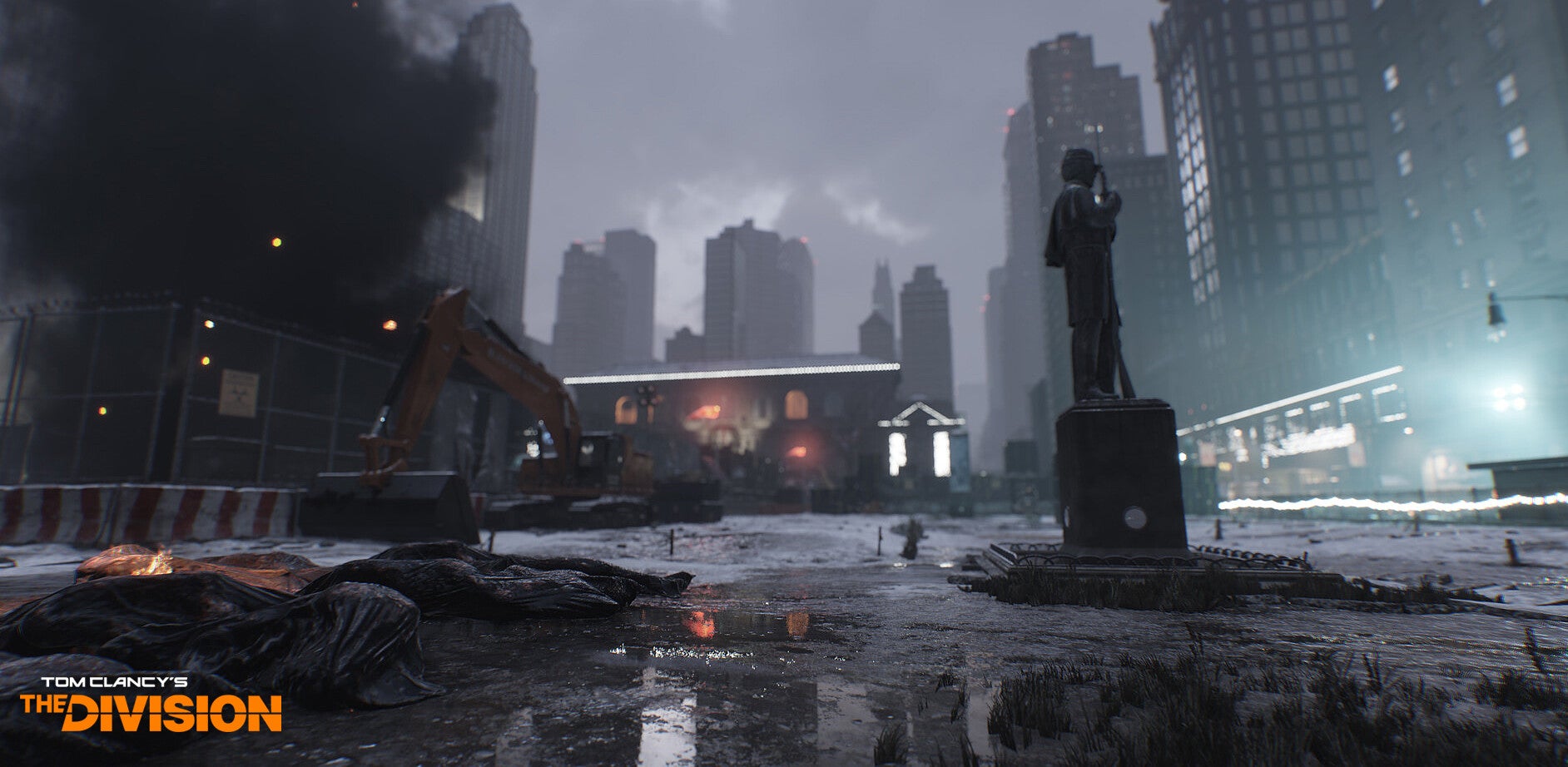
I also built a department store interior, Rockefeller Plaza with its underground shopping space, MoMA and Bryant Park. I worked with a technical designer to create a modular asset collection and metrics to build interiors, and filled out many of the non-landmark buildings.
Create Your Own Website With Webador